
The Mercuro Event Industry Interview Series: The Psychology Behind Trade Show Engagement
Today, I’m excited to present an informative interview with Victoria Matey. Victoria is an Event Psychology Advisor and co-founder of Matey Events, where she helps organizations design experiences grounded in how people actually think, feel, and behave. With a focus on translating psychological principles into practical event strategies, she works with brands and organizers to move beyond surface-level engagement and create environments that are meaningful, memorable, and effective. Victoria’s approach challenges conventional assumptions, such as shrinking attention spans, and instead emphasizes relevance, autonomy, and human-centered design as the true drivers of attendee behavior.
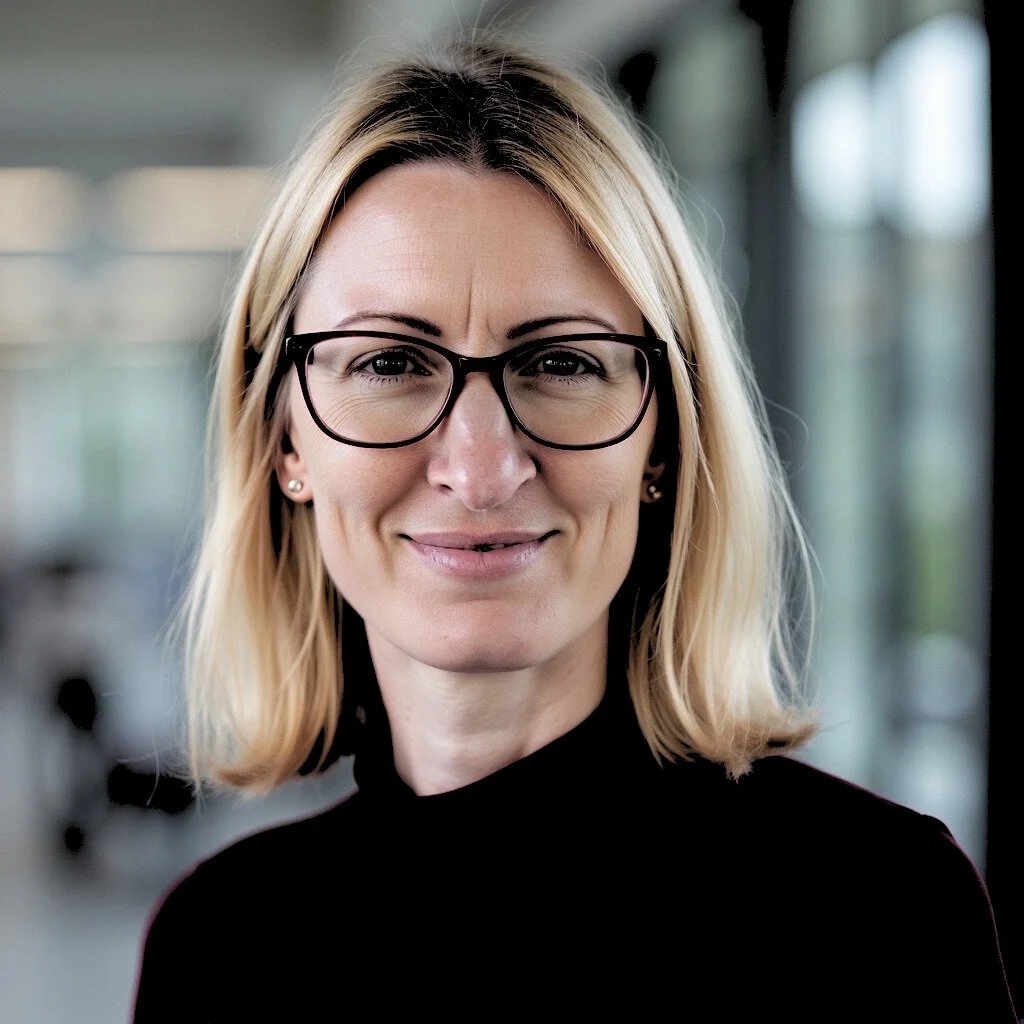
Through her work, Victoria advocates for a shift from logistics-first planning to a human-first model, where attendee wellbeing, cognitive load, and emotional impact are considered from the outset. She brings a clear, no-nonsense perspective to the event industry, encouraging professionals to replace vanity metrics with meaningful outcomes and to design experiences that make people feel seen, capable, and connected. Victoria’s insights are helping reshape how trade shows and live events are conceived, less as environments to impress, and more as spaces that genuinely serve the people within them.
AM:
Attention spans are shrinking fast. From an event psychology perspective, what happens in an attendee’s brain in the first 30 seconds of encountering a booth, session, or activation?
VM:
The idea that attention spans are shrinking is a myth, there's no scientific evidence to support it. What's actually happening is that the brain is constantly busy: processing, categorizing, and filing information in real time. In those first few seconds of encountering a booth or activation, we're wired to do one thing: assess relevance. Is this for me? Does this matter? And almost simultaneously, the brain decides how much it cares. That decision is what determines whether someone stops or keeps walking.
AM:
If you had to redesign a trade show experience knowing attendees will decide to “stay or walk” almost instantly, what three psychological cues should organizers prioritize first?
VM:
Three things: first, autonomy. People need to feel in control of their own experience, not funneled or pressured. Second, competence: there has to be a clear promise that they'll walk away knowing or being able to do something they couldn't before. And third, relatedness: the sense that this space, brand, or community is one they belong to.
AM:
Many trade shows overwhelm people with noise, lights, screens, and movement. At what point does stimulation stop engaging and start triggering avoidance behavior?
VM:
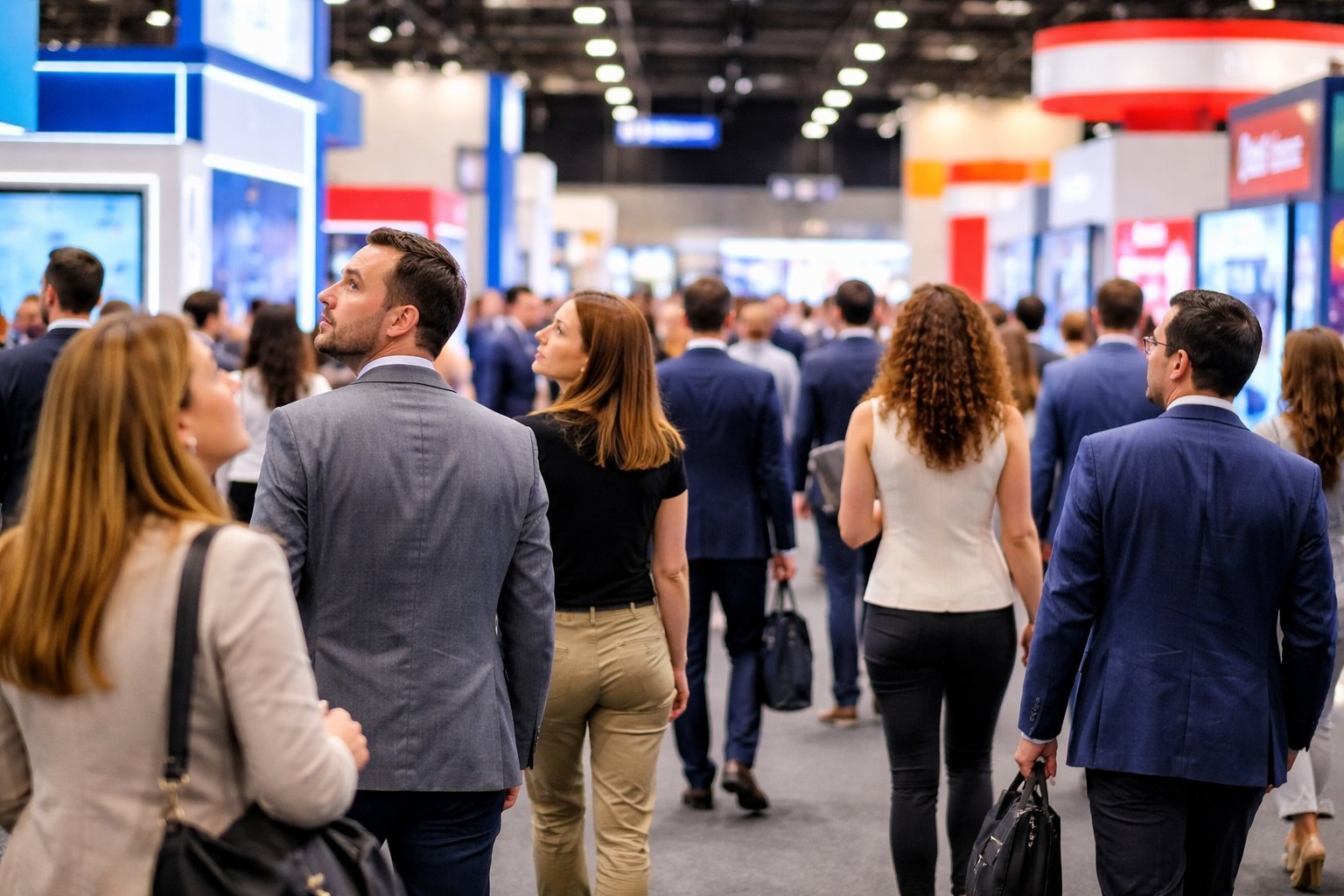
I don't think there's a universal threshold, because sensory stimulation works differently for everyone. But what's clear is that overstimulation affects everyone eventually. It's not a question of whether it will tip into avoidance behavior, but when, and that tipping point will arrive sooner for some attendees than others.
AM:
In an environment full of competing messages, how does clarity outperform creativity from a psychological standpoint, and how can brands apply this without becoming boring?
VM:
Clarity and creativity aren't actually in conflict. The real problem is when creativity becomes self-serving; when a brand is more interested in being noticed than in being understood and relevant.
AM:
Phones are everywhere on the show floor. Do you see them more as distractions or as self-regulation tools attendees use to cope with social and sensory overload?
VM:
Like every piece of technology, phones can either facilitate or complicate communication and goal achievement. It entirely depends on the context and the person using them. For some attendees it is a way to decompress or hide their social anxiety. The phone isn't the problem - the environment that makes people need to escape is.
AM:
People now skip more sessions, leave earlier, and curate their own schedules. How should organizers rethink success metrics in light of this more selective behavior?
VM:
I guess it's about vanity metrics versus meaningful ones. Attendance numbers, session counts, celebrity speakers- none of that tells or guarantees whether anyone actually learned something or whether the event moved the needle for them. Organizers need to integrate real-time feedback and active observation as standard practice rather than relying on a post-event survey sent to people at the time when biases kick in and memory fails.
AM:
Beyond leads and foot traffic, what emotional outcomes should trade shows intentionally design for if they want to stay memorable?
VM:
One emotional outcome is the feeling of being seen. Not entertained, not informed, but actually seen. And I think it requires effort at every stage. It starts before the event (knowing who's coming and why, etc.) and using that to shape the experience rather than just the marketing. It continues on the floor, as well as post-event.
AM:
Looking ahead 3 to 5 years, what emerging psychological trend should trade show organizers prepare for now if they want to stay relevant?
VM:
I don't see some dramatic emerging psychological trend on the horizon that will suddenly change everything. What does need to change is the trade show model itself. The industry needs to genuinely integrate human psychology into how events are designed from the ground up, not treat it as a layer of polish applied at the end. Part of that means taking wellness seriously. Not as a branded activation or a yoga session squeezed between keynotes, but as a genuine design principle. Attendees are physically and mentally taxed by these environments, and events that incorporate real space for movement, rest, and mental recovery won't just be nicer to attend - they'll actually be more effective. The shift from logistics-first to human-first thinking is both the most important and most overdue evolution in this space.
I would like to sincerely thank Victoria Matey for her cooperation and keen insight. To learn more about Victoria, you can explore her LinkedIn profile and visit her website: https://eventpsychology.pro
Stay-tuned for more expert commentary on exciting and ever evolving event industry topics by bookmarking this interview series and following me on LinkedIn and X. Feel free to message me with subject matter ideas and interviewee suggestions you would like included in future posts and video interviews.
Need help designing a high performance trade show booth?