
What Steve Jobs Taught Me About Great Trade Show Exhibit Design
"Design is not just what it looks like and feels like. Design is how it works." — Steve Jobs
Few people influenced modern design more than Steve Jobs. While many associate him with sleek products and minimalist aesthetics, I believe his greatest contribution wasn't making technology beautiful, it was changing the way we think about design itself.
Jobs didn't see design as something applied after a product was engineered. He believed it was part of the product's DNA. In his words, design was the “fundamental soul of a man-made creation.” That philosophy became the foundation for everything Apple touched from the products they built to the stores they created.
Apple's success wasn't driven by complexity. It was driven by simplicity. Jobs famously reduced confusing product lines, insisting that focus meant saying “no” to hundreds of good ideas so the truly great ones could shine. He surrounded himself with people who shared an obsession with craftsmanship, believing that even the unseen parts of a product deserved the same level of care as the visible ones. He often referred to it as the carpenter’s ethic, the idea that even the back of the cabinet should be beautifully made, even though no customer would ever see it.
That philosophy extended well beyond the products themselves. Apple packaging became an experience rather than a container. Jobs and his team obsessed over the materials, proportions, and even the subtle resistance of the lid as it slowly lifted from the box. They understood that the first interaction a customer had with an Apple product began long before the device was ever turned on.
The same thinking shaped every Apple Store. Clean white interiors, open floor plans, expansive glass facades, and products displayed without barriers all encouraged exploration instead of sales pressure. Jobs once said the stores weren’t simply intended to move boxes, they were designed to enrich lives. Every detail worked together to create an experience that reflected the brand’s values.
None of those decisions were made simply because they looked beautiful. They were made because they worked. I’ve often thought about that philosophy throughout my career in the trade show industry because it perfectly describes what great exhibit design should be.
Our industry naturally celebrates visual creativity. We love dramatic architecture, brilliant lighting, bold graphics, innovative materials, and those breathtaking renderings that leave a client smiling across the conference table. There is nothing wrong with wanting to create something that makes people stop in their tracks. In fact, that’s part of our job. But a beautiful rendering is only the beginning. The real measure of an exhibit doesn’t happen in the design studio. It happens when the freight is unloaded, the carpet is laid, the lights come on, and thousands of attendees begin walking the show floor. That’s when design is tested.
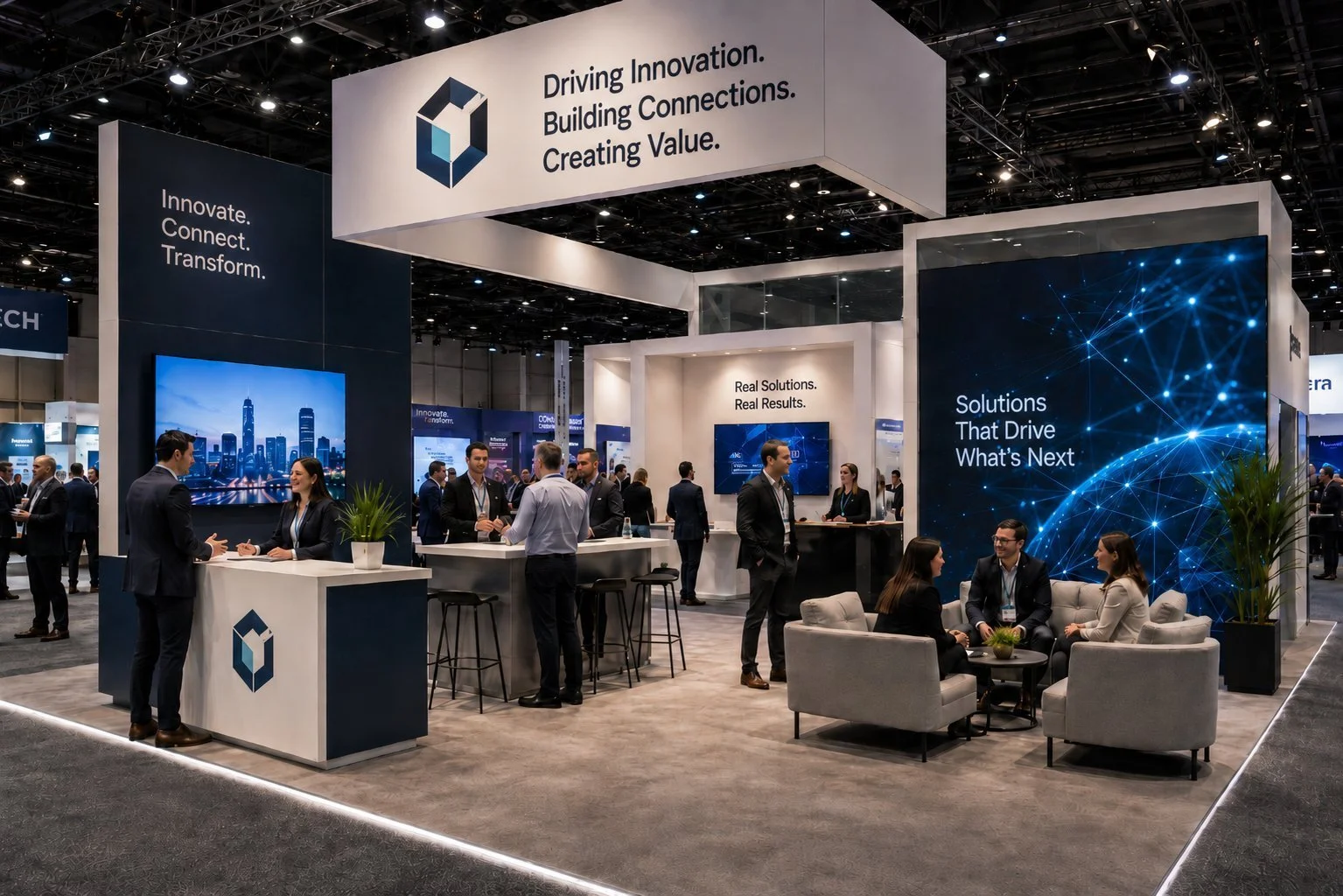
An exhibit that truly works doesn’t simply attract attention, it attracts the right attention. It invites qualified prospects inside rather than merely creating a crowd around the perimeter. It helps sales and marketing professionals start meaningful conversations instead of forcing awkward introductions. It guides visitors naturally through demonstrations, product presentations, and discussions without feeling staged or confusing. Good design quietly supports the people working inside the booth while making every visitor feel comfortable and engaged. Most importantly, it helps the exhibitor accomplish the objectives they established before the show ever opened.
Did they generate qualified leads. Did they strengthen relationships with existing customers. Did they launch a new product successfully. Did they schedule follow-up meetings. Did they create measurable return on investment. Those questions matter far more than compliments about the architecture.
Every exhibitor wants traffic. Every exhibitor wants to be the booth everyone is talking about. Every exhibitor hopes people gather in the aisles, pull out their phones, take pictures, and tell colleagues, “You have to go see this.” Those are worthy goals. But traffic without engagement has very little value.
One of the biggest misconceptions in our industry is believing that attracting people into a booth is the finish line. It’s only the starting point. Once an attendee steps inside, the exhibit should begin doing what it was designed to do. It should communicate the company’s story clearly. It should make products easy to understand. It should encourage conversations instead of creating distractions. It should help booth staff qualify visitors efficiently, identify genuine buying opportunities, and begin building relationships that continue long after the exhibit hall closes.
Just as importantly, the exhibitor must be prepared to do their part. Even the best-designed booth can’t overcome an unprepared staff or a lack of follow-up. Successful exhibiting is a combination of thoughtful design, trained people, realistic goals, disciplined lead qualification, and consistent post-show communication. That’s where return on investment is ultimately created.
At Genesis Exhibits, that’s exactly how our designers approach every project. Of course, we want every booth to look exceptional. We want it to reflect the client’s brand, stand apart from the competition, and create the kind of first impression that draws people in from across the aisle. But visual impact alone has never been the finish line.
Our design conversations often revolve around questions that attendees never see. How will visitors naturally move through the space. Where should demonstrations occur. Where can private conversations happen without feeling isolated. How do we make products easier to understand. Where should lead capture occur. How can the environment encourage interaction while supporting the client’s marketing and sales objectives.
Those decisions rarely make headlines. They’re simply good design. And often, they’re the difference between an exhibit that wins compliments and one that delivers measurable business results. Great design isn’t decoration. It isn’t simply architecture. It isn’t lighting, graphics, or the latest technology.
Great design solves problems. It creates experiences. It removes obstacles. It helps people connect. It supports conversations. It reinforces brands. And ultimately, it helps organizations achieve the goals they set long before the first attendee ever walks through the exhibit hall doors.
As designers, builders, marketers, and exhibitors, we should absolutely strive to create booths that make people stop and stare. But we should never stop there. Because a beautiful exhibit wins admiration. A memorable exhibit creates conversations. A successful exhibit creates customers. The very best exhibits accomplish all three.
Steve Jobs reminded us that design isn’t measured by how something looks when it’s unveiled. It’s measured by what happens after people experience it. I believe the same is true for every great trade show exhibit. Don’t just exhibit. Give people something to talk about. Give them something to remember. But most importantly, give them an experience that works.
And if you’d like to see how we’ve helped clients turn thoughtful design into measurable results, I invite you to explore our Case Studies and of course reach out if you have any questions, requirements or ideas to share.