Why memorable events start by challenging the default.
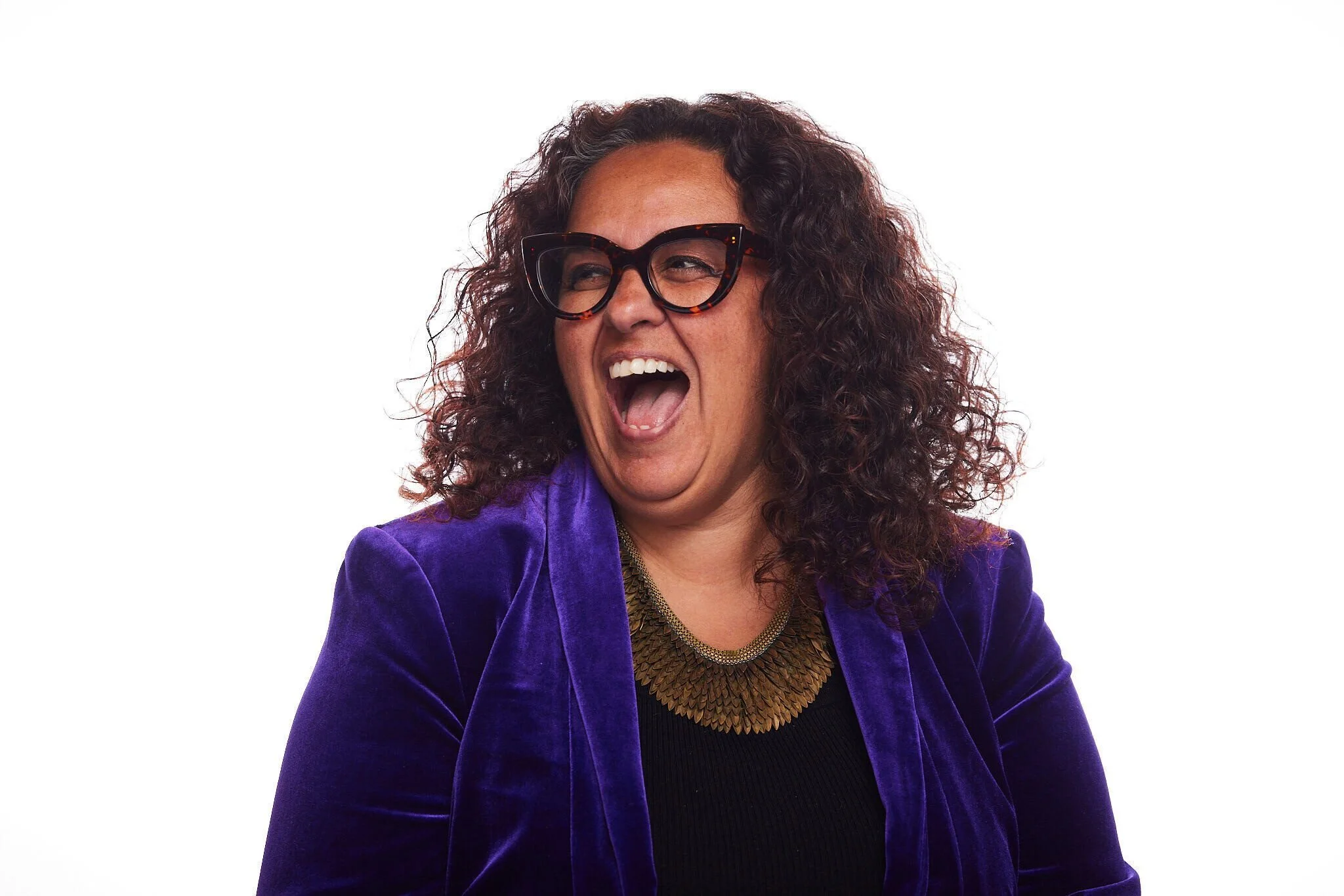
Today, I’d like to welcome Dahlia El Gazzar to the Mercuro Event Industry Interview Series. Dahlia is the founder of DAHLIA+Agency, an event strategist, technology evangelist and AI educator helping event professionals make smarter use of technology and create experiences people remember. Her work connects event marketing, hands-on learning and human-centered experience design. She created the RuckusMaker Awards to celebrate the people making the events industry braver, kinder, smarter and less boring. Let’s dive right in.
AM:
Dahlia, you have built a reputation as the Queen of Events and Queen Ruckus Maker. You have also created your own vocabulary, such as mindstamping. Where did this personality and philosophy come from? Were you always someone who challenged convention, or did the events industry bring that out of you?
DEG:
My career started in hospitality marketing on the Red Sea in Egypt. Some of my earliest event experiences were camel races and desert experiences with Bedouins in Sinai. Accidental planner here, for sure. That is a very different starting point from a ballroom and slide decks.
Later, working in event tech at Passkey and onPeak made me curious about how we could remove frustration for the people using the tools. When I founded DAHLIA+Agency in 2012, I wanted to help people see what was possible and actually put it into practice. And to always share my Egyptian flair.
A CEO once told me I wouldn't fit in with the rest of the team. I told him, “Then I will be the best fit.” I could learn from people without becoming a copy of them.
That carries into the philosophy. Challenge the default. Make the experience worth somebody's time. Mindstamping gives a name to the specific moments people remember and tell someone else about. The titles are fun. Eyes lighting up in a room is what keeps me interested. And I am always wanting to shake things up. I get bored easily.
AM:
You created the RuckusMaker Awards to recognize people who are making a difference and challenging the status quo. What inspired you to create them, and what was missing from the industry's existing awards programs that you wanted to address?
DEG:
I wanted more of the people doing the important work to be seen. I wanted more eventprofs and marketers to recognize how badass they are. And I wanted them to nominate themselves mostly. Those who are the truth-tellers, the people who have the wild idea and follow it through. The calm humans inside the chaos. The ones whose contributions become obvious only when they aren't there. Those are the ones that have the hardest time promoting themselves.
There is room to celebrate polished work and big achievements. I wanted to make more room for the humans making this industry braver, kinder, smarter and less boring, including people whose impact doesn't come with a big title or a spotlight.
Stop waiting for someone else to notice you. Owning your impact is not bragging. It is evidence.
Tell us what you changed, who it helped and why it mattered. No corporate poetry required. I want someone reading those stories to think, “I could do that too,” or, even better, “Why aren't we doing that?” Recognition should give the next person permission to make a little ruckus. And be loud.
AM:
You have said that most events are vanilla. Not necessarily bad, but forgettable, and that being forgettable is worse than being bad. What do you think causes so many events to become vanilla? Is it a lack of creativity, fear of taking risks, budget constraints, or something else entirely?
DEG:
Usually, we have plenty of creative people. We have built a process that makes it exhausting for them to be creative.
Last year's agenda becomes this year's starting point and, somehow, this year's final answer. Every interesting idea has to survive a committee. We fill every minute, protect every familiar format and ask whether something fits the budget before asking whether it deserves to exist as an experience.
Budget constraints are real. So is fear. But a bigger budget can buy you a more expensive version of forgettable.
I would start with one question: what do we want people to feel or do differently because they came? Then look at where the current experience works against that. Maybe people need a better introduction, a useful conversation or breathing room between sessions. You can change those things without a giant LED wall.
Vanilla happens when we stop making deliberate choices and we still do a cut and paste from the safe program we had last time. That is why some events that don't have an agenda or have more surprise-and-delight for attendees are creating more FOMO right now.
AM:
One of your observations really caught my attention: “Burnt-out teams create burnt-out events.” You also say you have never seen an exhausted team produce a room full of energy. With so much pressure on event professionals to deliver more with less, how do we address the human energy problem before it becomes an event experience problem?
DEG:
Start by looking at the workload before booking the resilience workshop. A breathing exercise cannot fix an approval process with twelve people in it.
Ask the team where their energy goes. What are they entering three times? Which decisions keep coming back? What are they carrying because nobody else owns it? What could we stop doing without hurting the experience? What is causing them more friction before, during and after the event?
Then leadership has to make choices. Give people clear priorities, decision-making authority and actual coverage for breaks. When something gets added, decide what comes off. “Do more with less” cannot remain the whole operating plan.
This is where technology can earn its place. Use it to reduce repetitive work and make information easier to find. Protect some of the time you get back instead of instantly filling it with more tasks.
The team creates the conditions everyone else walks into. Their energy belongs in the production plan, right alongside the room setup and the run of show.
I have a concept that now, more than ever, event managers and directors should have a yin and yang approach. Two people with the same title - they complement each other; they tag team so when one burns out, the other takes over. One is more diplomatic than the other; one knows more about tech, the other knows more about logistics. We need something like that to help with what is going on with event leadership and teams at the moment. What do you think?
AM:
You describe mindstamping as creating moments that leave a mark in someone's memory, something so specific that they tell someone about it who wasn't even there. How do you actually design for that? Is it about one extraordinary moment, the emotional connection, the unexpected, or how all the pieces of an event come together?
DEG:
I start with the story I hope someone will tell afterward. “You won't believe the conversation I had.” “I finally understood how to do this.” “They made me feel like I belonged.” That gives you something more useful to design toward than “make it memorable.”
I say mindstamping because it leaves an imprint on your mind for a long time. Something like thumbstamping like on insta but better. Deeper.
Then think about what would make that possible. A thoughtful introduction. A question people are rarely invited to answer honestly. A chance to make something together instead of watching someone else do it. A little surprise that makes sense for these particular humans.
The rest of the experience has to support that moment.
You can also check in with questions, read the room, read their body language.
You cannot manufacture everybody's emotional response. You can create the conditions for connection and leave enough room for people to contribute. Sometimes the thing they remember is wonderfully small. You don't get to decide that only the expensive moment counts.
But if it's mindstamping, they will bring it up even a year or years later. Remember when...
AM:
With more than 14 years in event technology and AI, you have an interesting perspective. How do you help event professionals identify which technologies will genuinely improve their events, rather than simply adopting technology because everyone else is doing it?
DEG:
Before the demo, tell me where it hurts.
Are people struggling to register? Is your team drowning in repetitive work? Are exhibitors getting leads they can't use? Are attendees leaving without meeting the right people? Give the problem a name and identify who experiences it.
Then agree on what improvement would look like. Fewer abandoned registrations, less manual work, more useful conversations. Now we have something to test a tool against.
I also want to know what you already own. I want to know what you are already building, vibe coding. Sketching on a cocktail napkin.
Sometimes the answer is better use of an existing system, clearer ownership or a simpler process. Another subscription can become another thing the team has to babysit.
For a new tool, test a real use case with the people who will actually use it. Look at integration, accessibility, data handling, support and the effort required to adopt it. A gorgeous demo is lovely. Rare but lovely.
Show me how Tuesday afternoon gets better. Not what else you will put on my plate.
AM:
You are a technology evangelist, but your message is very human-centered. As AI becomes increasingly integrated into event planning, marketing, audience engagement, and content creation, where do you believe the human element becomes even more important?
DEG:
Judgment. Listening. Intuition. Knowing when the technically correct answer is the wrong answer for the human in front of you.
AI can help us work through information, explore options and get past a 404 page. We still have to decide what matters, check what is true and take responsibility for what we put into the world.
In event marketing, I want a person asking, “Does this sound like us? Does it respect our audience? Does it give our event or brand a soul? Have we promised something we can actually deliver?” In a room, I want someone noticing who has been left out of the conversation and helping them find their way in.
We also need human judgment around consent and privacy. Just because you can collect or generate something doesn't mean you should. Now we are in the era of collecting more information about our people than ever before. Does that mean we should be using it? Actually—no.
My hope is that we use AI to give people more capacity for the work that needs their attention and care. If the result is simply more generic emails, more content and more noise, we have missed a very good opportunity. And AI making us faster doesn't mean it is making us more efficient or that we should take on more.
AM:
Traditional presentations often involve someone standing on a stage talking through slides while the audience checks their phones. What do you believe needs to change, and what does a truly memorable presentation look like in your world?
DEG:
Give the people in the room something worth doing with you.
I want to know what they are wrestling with. Let them try the idea, question it, compare experiences, or build something they can use. A live demonstration where we work through a real problem can be much more useful than twenty slides explaining why the problem exists.
At IMEX tech stage, we went all out and had so much fun with the event participants by having a data duel Jeopardy-style, tech dating game, and a session with the attendees playing agree/disagree with the panelists.
Make it fun. Spice it up. That doesn't mean forcing everyone into an icebreaker or making the quiet people perform. Give people different ways to participate. Some want to speak. Some want to write, reflect or work with one other person.
The speaker needs to be prepared enough to respond to the room rather than cling to the deck. Leave room for a useful question to change the conversation.
My favorite outcome is that eyes-light-up moment when someone sees how an idea applies to their own work. Then make the next step clear enough that they can actually use it after they leave. You will know who is checking their inbox and who is busy being part of the session they are co-creating.
AM:
You mentioned that event professionals sometimes call you when they can feel their spark going out but cannot explain why. What are the warning signs that someone has lost that creative energy and what do you do to help them rediscover it, especially when they are under pressure from leadership, clients, and deadlines?
DEG:
When someone who usually asks “what if?” starts saying “whatever,” I pay attention. So does the shift from being curious about a challenge to wanting it off your desk at any cost. Those are reasons to check in; it means that something in their energy and what they get fired up about is slowly dying.
I would start with a conversation about what is draining them. Are they overloaded? Stuck in endless revisions? Responsible for results without the authority to make decisions? Giving their best ideas to a process that keeps sanding them down?
Then make the next step small and useful. Remove one recurring headache. Give them ownership of a piece they care about. Make space to test an idea without requiring a production-ready masterpiece. Let them spend time with people who ask different questions.
And don't turn recovery into another assignment. Sometimes the most useful thing a leader can do is take work away and protect the boundary. You cannot demand somebody's spark back while keeping everything that extinguished it.
And the reality is, sometimes if the spark is gone from something they have been responsible for or doing for some time, then it might just be it's time to let it be. And they just need someone stronger than themselves at that moment to tell them so.
AM:
Looking forward, what would you say is the biggest ruckus our industry needs to make next?
DEG:
We need to be more honest about what our events give people in return for their time, money and energy.
For all our eventprofs, if we look at all the events for the events industry that we want to be part of, or commit to, there are soooo many.
I believe the biggest ruckus we need right now is consolidation and more focus for our eventprofs across our industry associations and gatherings.
The ruckus I want is practical: give us events that are more focused on our eventprofs at different points of their careers, especially the younger professionals, and that are festivals with not so many speakers, but more sherpas and coaches on implementation. We don't need more breakout sessions and stages, we need events—that don't fight for our time, energy or budgets, but give us space to build and create.
The reality is there are way too many events, and so little time to go, or to put into action what you have learned. So, change that. That is a ruckus “hill” I would die on.
Many thanks to Dahlia El Gazzar for taking time out of her busy schedule to share her creative wisdom. It was truly a pleasure. We look forward to speaking with Dahlia once again, down the road. Learn more about Dahlia and what she has to offer event professionals around the globe.
DAHLIA+Agency | Dahlia El Gazzar on LinkedIn | DAHLIA+Agency on LinkedIn | Dahlia El Gazzar on X
Thank you very much for taking the time to review my interview. Stay-tuned for more expert commentary on exciting and ever evolving event industry topics by bookmarking this interview series and following me on LinkedIn and X. Feel free to message me with subject matter ideas and interviewee suggestions you would like included in future posts and video interviews.
If you’d like to learn more about Genesis Exhibits, I invite you to explore our Case Studies and of course reach out if you have any questions, requirements or ideas to share.